
Published: February 2, 2026
By: Kai Peng Huang, Technical Specialist at Cymber Metal
H59 brass is the solid all-rounder in our lineup—higher zinc than H62 but still machines beautifully while offering better strength for structural parts. With around 40% zinc, it gives good hardness, wear resistance, and that classic brass look, making it our go-to for valves, lock parts, and heavy fittings. It’s not as soft as low-zinc grades, so it holds up better under load, but you have to watch for dezincification in certain environments.
We’ve run a lot of H59 at Cymber Metal for customers needing reliable hardware that machines fast and lasts. This guide covers what we’ve seen in practice: properties, processes, common issues, and tips to get strong, clean parts.
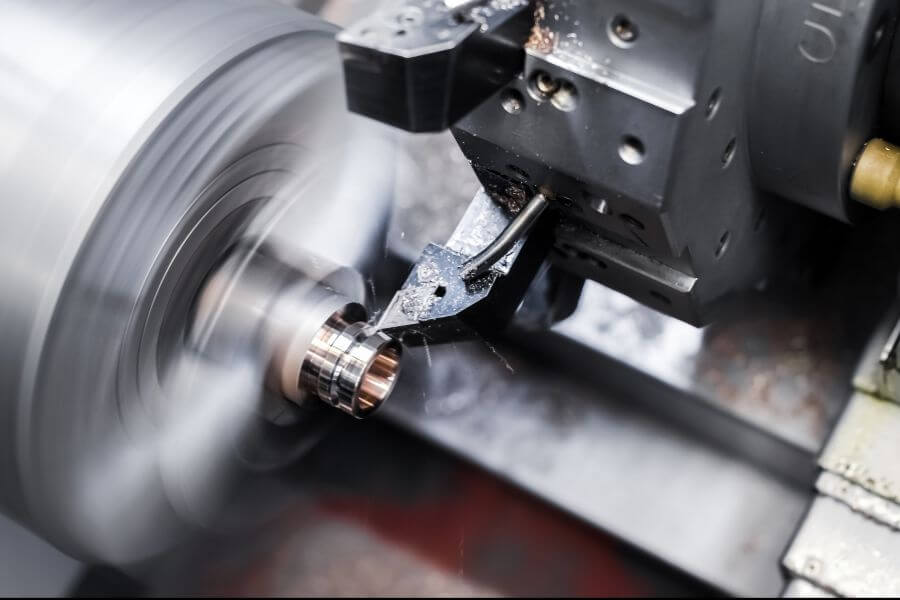
H59 Brass Equivalent Grades and Properties Overview
| Designation | Standard | Zinc Content | Key Strengths | Best For | Machinability | Relative Cost |
|---|---|---|---|---|---|---|
| H59 | Chinese (GB) | ~40% | High strength, good machinability, wear resistance | Valves, fittings, locks | Excellent | Medium |
| CuZn40 | European | ~40% | Balanced hardness and formability | Hardware, connectors | Excellent | Medium |
| CZ109 | British | ~40% | Good for machining and threading | Fittings, rods | Good | Medium |
| C28000 | ASTM | 38–41% | Muntz metal, strong and corrosion resistant | Architectural, marine | Good | Medium |
| 2.0360 | DIN | ~40% | Consistent for heavy parts | Valves, bushings | Excellent | Medium |
Quick Tip: H59 for parts needing more strength than H62—great machinability with higher hardness for wear-prone hardware.
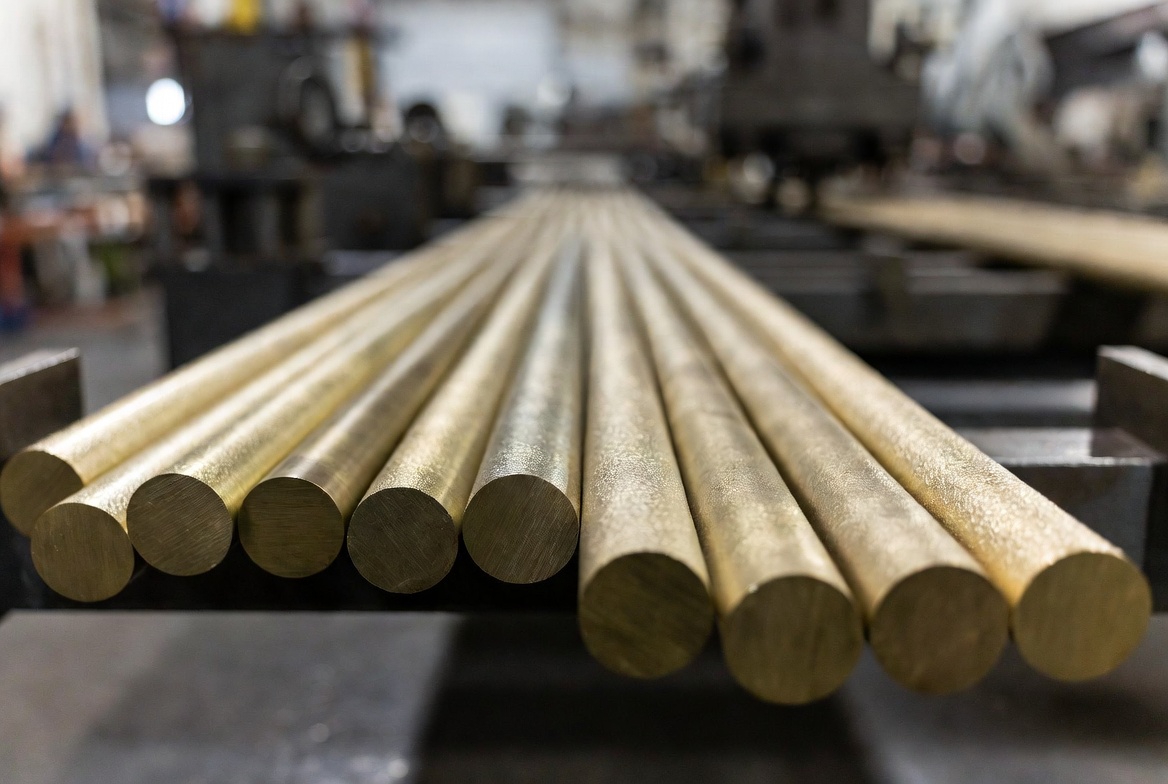
Suitable Processes for H59 Brass
H59 handles a wide range:
- CNC Turning/Milling → Core for fittings and valves.
- Hot Extrusion → For rods and profiles.
- Threading & Tapping → Clean threads, our specialty.
- Forging → For stronger structural parts.
- Polishing → Brings out the warm brass shine.
Advantages of H59 Brass
- Higher strength → Better load-bearing than lower-zinc brasses.
- Excellent machinability → Clean chips, fast cycles.
- Good wear resistance → Long life in sliding parts.
- Corrosion resistance → Solid in most environments.
- Attractive color → Warm yellow-gold for visible hardware.
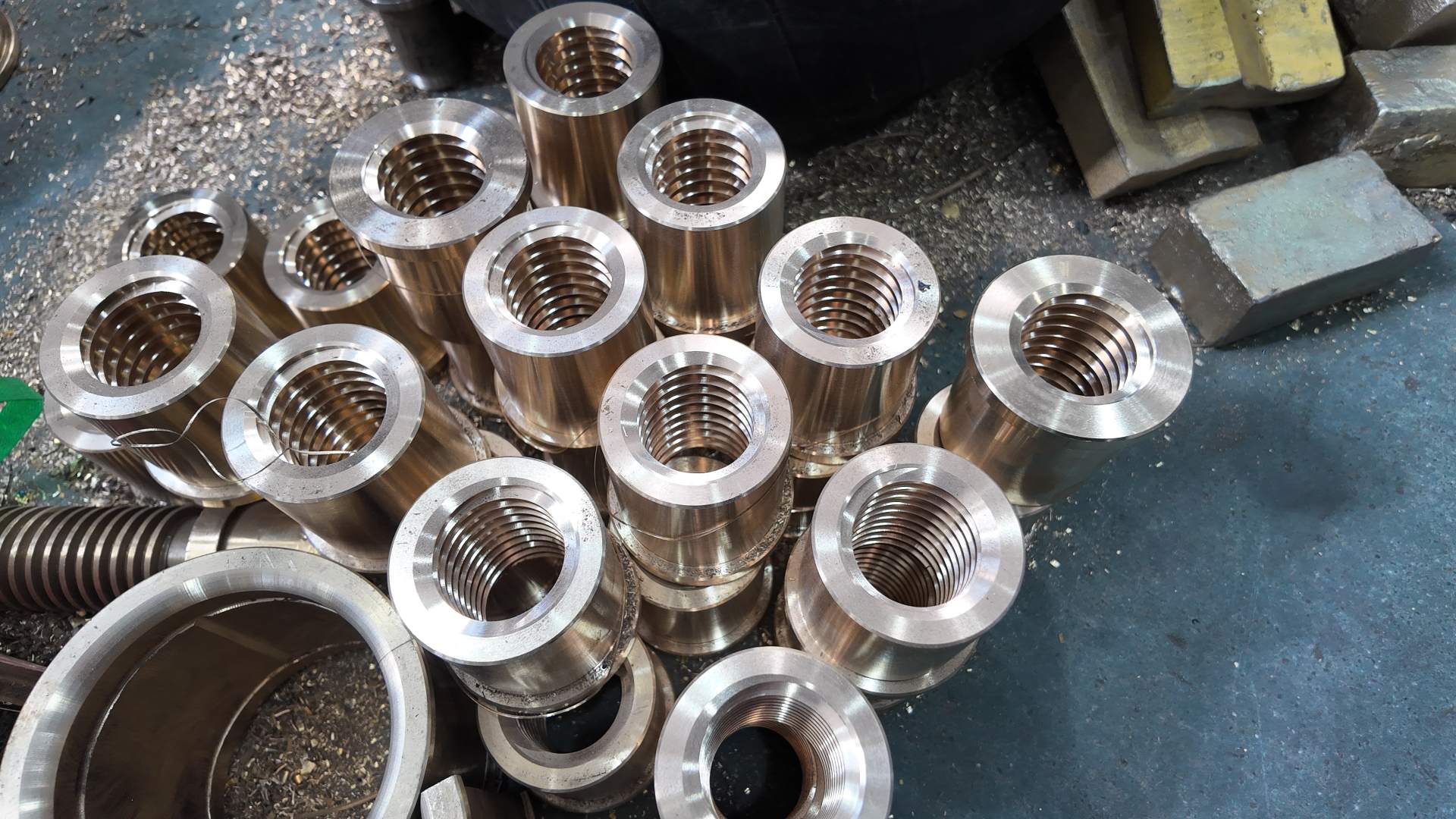
Challenges & Practical Solutions
H59 has more zinc, so a few things to watch:
- Dezincification risk → In aggressive water—use inhibitors or coatings.
- Season cracking → Stress relief after heavy machining.
- Chip control → Can be longer than free-machining grades.
Engineering Experience: In our H59 projects at Cymber Metal, machining lock cylinders for security hardware sometimes showed minor dezincification in testing. We addressed it with selective plating on critical areas and adjusted coolant chemistry, delivering parts that passed long-term corrosion tests without issues.
Pro Tip: Use coated tools for threading—gives cleaner cuts and longer life on H59′s harder surface.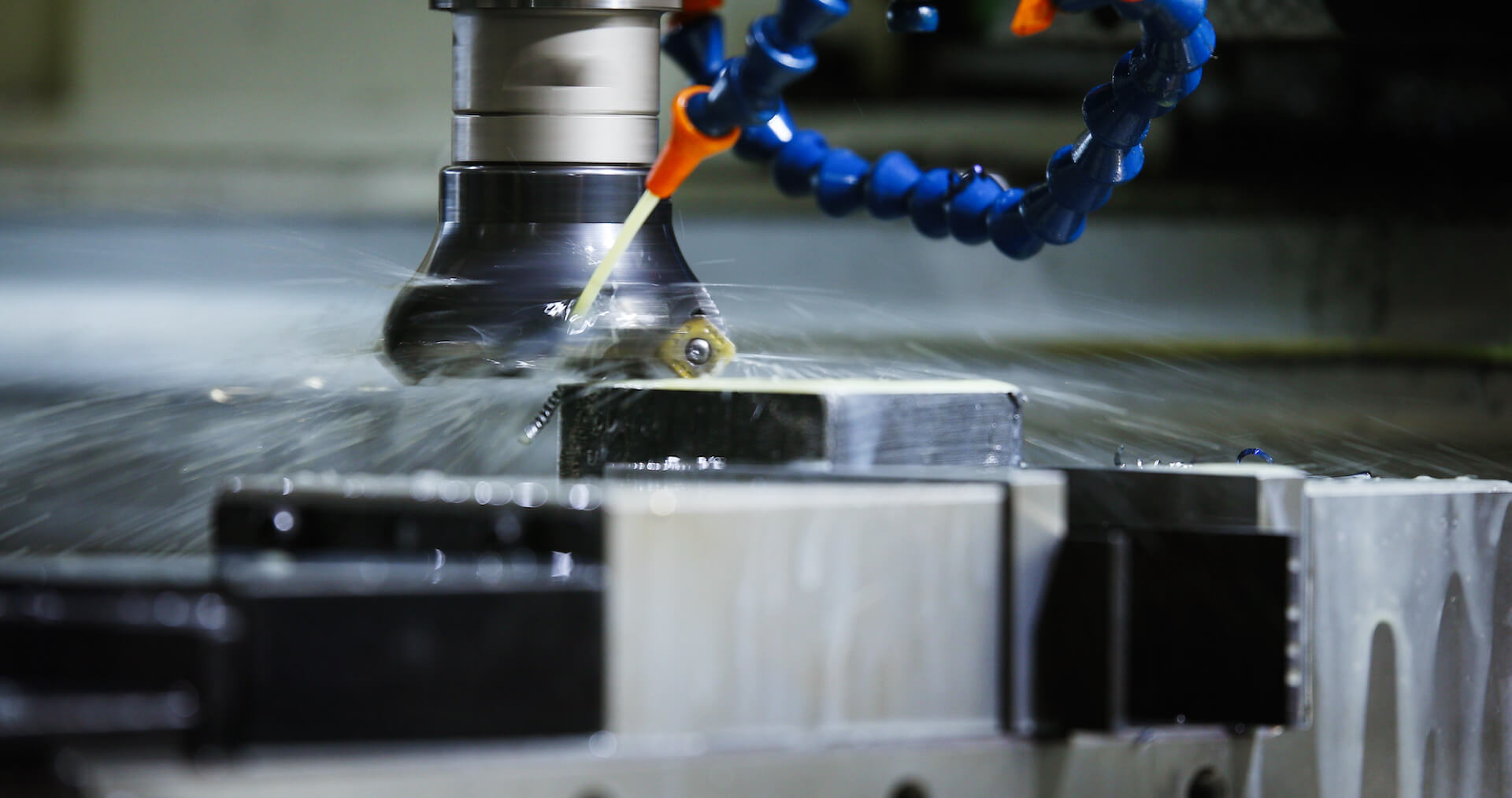
Design Considerations & Tips
- Tolerances: ±0.02 mm easy in machining.
- Wall Thickness: 1–5 mm for strength.
- Threads: Design for tapping—H59 threads beautifully.
- Surface Protection: Plating or clear coat for harsh environments.
Tooling & Parameter Recommendations
- Tool Material: Coated carbide for longevity.
- Example Parameters (Turning H59 rods):
- Spindle: 3,000–5,000 RPM
- Feed: 0.15–0.3 mm/rev
- Depth: 1–3 mm
- Coolant: Flood—keeps chips short and surfaces clean.

-
Common Deliverable Parts We Produce in H59 Brass
- Valve bodies and stems
- Lock cylinders and keys
- Plumbing fittings and connectors
- Hardware nuts and bolts
- Bushings and sleeves
- Architectural fasteners
Real-World Applications
- Plumbing valves and fittings
- Security locks and cylinders
- Automotive hardware
- Industrial connectors
- General mechanical parts
Cost & Sustainability Factors in 2026
Moderate pricing (~$10–12/kg) with high recyclability and low waste in machining.
Final Thoughts
H59 brass machining gives you the strength and machinability needed for demanding valves, locks, and hardware—reliable parts that hold up in real use.
If you’re sourcing reliable machining for H59 brass—whether valves, lock parts, or custom hardware—Cymber Metal offers stocked material, precise processing, and flexible volumes from prototypes to full production.
Ready to discuss your project? Download our latest brass catalog for specs and examples, or contact our technical team for quotes and support.
Post time: Feb-02-2026